
Category: Systems Thinking
-

Humans Are Not Machines: Federico Faggin’s Consciousness Theory, AI Risk And Governance
This article breaks down Faggin’s consciousness theory, the part-whole nature of reality, and why reducing humans to data is a dangerous mistake.
-
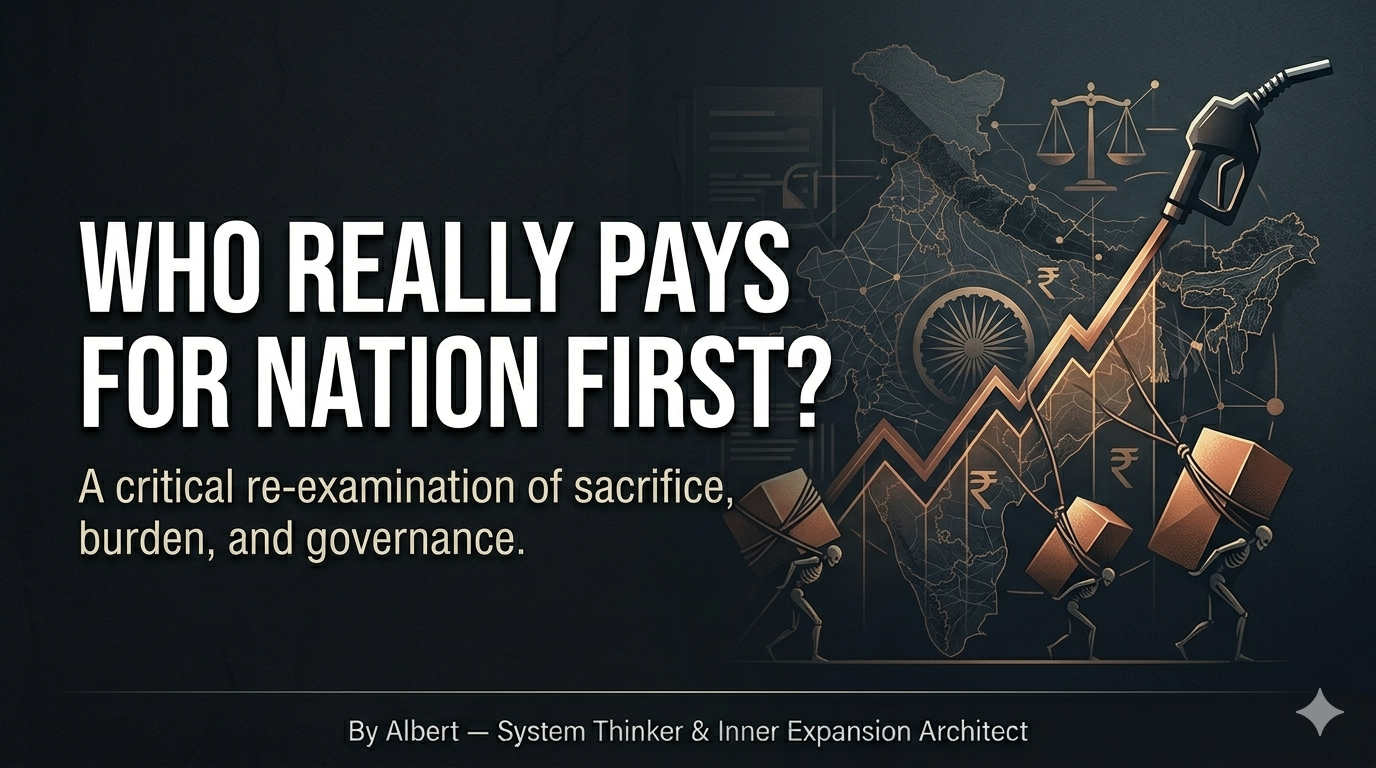
Who Really Pays for Nation First? The Burden of Centralization
PM Modi asked citizens to sacrifice. But who sacrificed first? A systems-level breakdown of India’s fuel tax failure, 88% oil import dependency, and the constitutional contract that governance keeps breaking
-

Who Really Succeeds and Why Success Is Not Random
A deep, human look at who succeeds, why they do, and how class, parenting, trust, and systems shape outcomes far more than motivation alone.
-
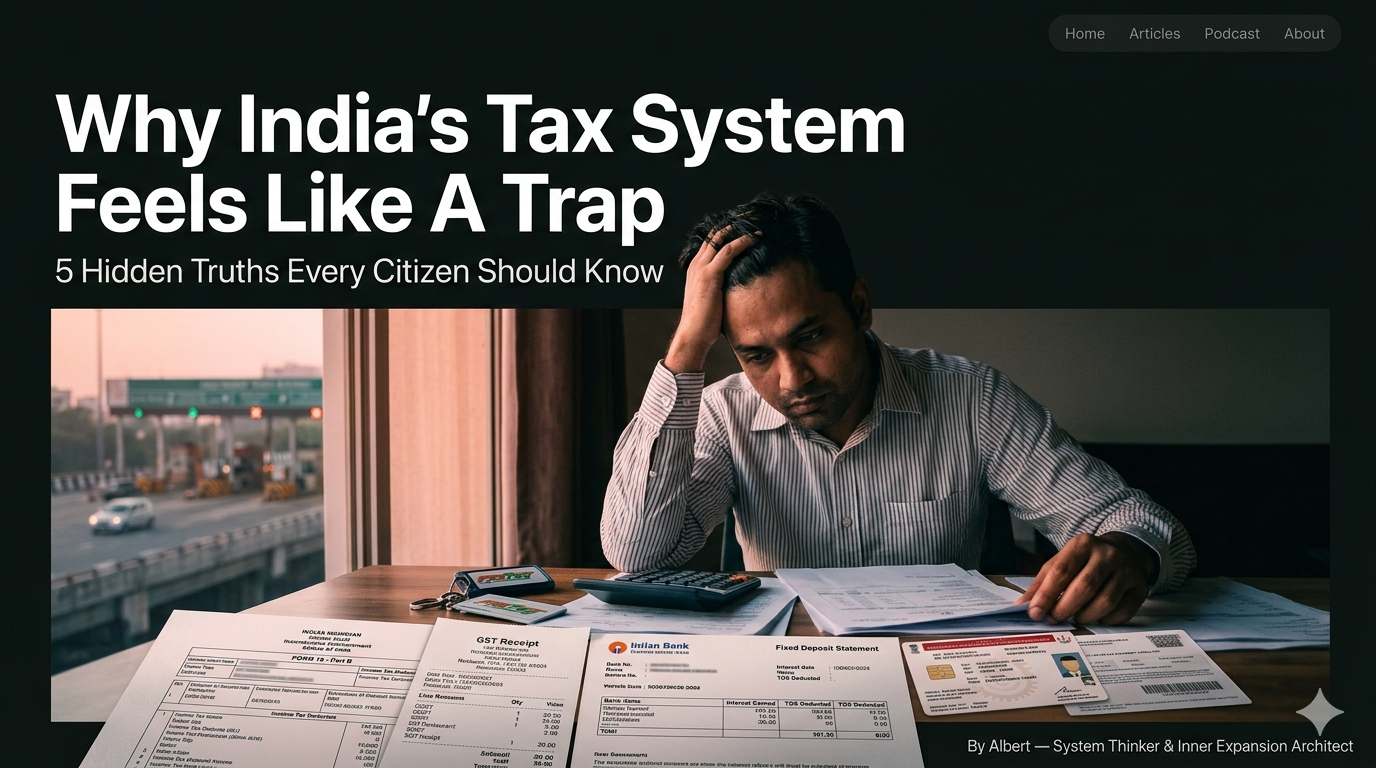
Why India’s Tax System Feels Unfair to the Middle Class
This article explains why the Indian middle class often feels squeezed by direct tax, indirect tax, and repeated levies on savings and travel. It combines real-world examples, deep insights, and actionable solutions for better civic awareness. Optimized for searches related to unfair taxation in India, middle class tax burden, and tax reform.
-
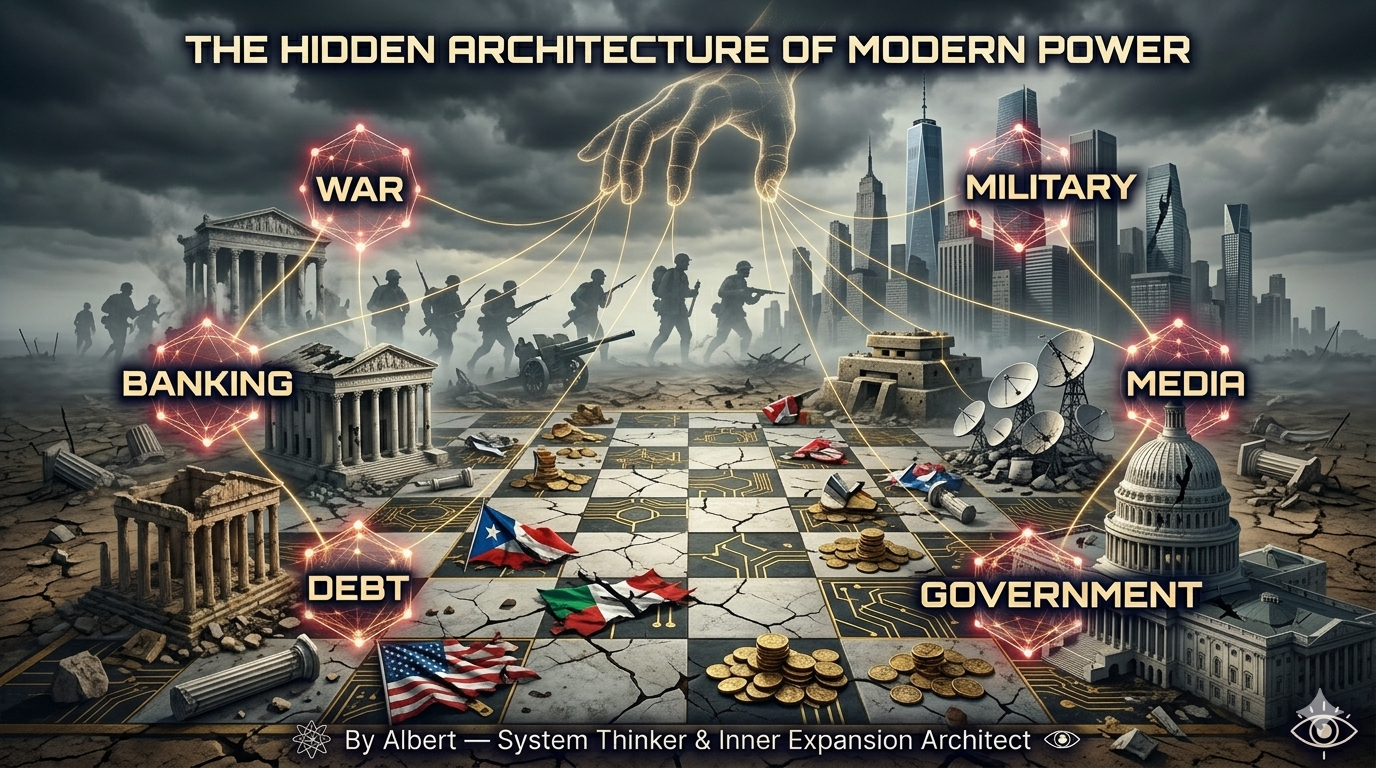
How WWI & WWII Built Today’s Global Debt Trap | Dismantle It Now
Discover how WWI and WWII deliberately engineered today’s financial control systems. Learn 5 profound insights plus comprehensive actionable steps for sovereignty and transformation. By Albert Y Zacharia.
-

From Survival Systems to Flourishing Systems: 5 Deep Shifts for Participatory Governance in India
Break free from survival systems. 5 deep insights on participatory governance, federal reform, and citizen-centered systems thinking for India’s future.
-

The Secret Wealth Game: Why You’re Poor and They’re Rich
What if everything you believed about wealth was a carefully constructed lie? While billions of people grind away believing hard work creates riches, the ultra-wealthy are playing a completely different game — one built on monopoly power, control of money creation, and permanent legal privileges embedded in law. This isn’t conspiracy theory. This is documented history. From Jakob Fugger controlling 80% of Europe’s copper supply in the 15th century, to modern tech giants eliminating competition through regulatory capture, the playbook has never changed. In 2024 alone, billionaire wealth grew by $2 trillion — at $5.7 billion per day. Sixty percent of that wealth came from inheritance, monopoly power, or crony connections — not merit, not innovation, not hard work. This article reveals the three pillars of elite wealth that business school will never teach you, five profound insights most people never realize, and a practical step-by-step guide to navigating a system that was rigged long before you arrived.